
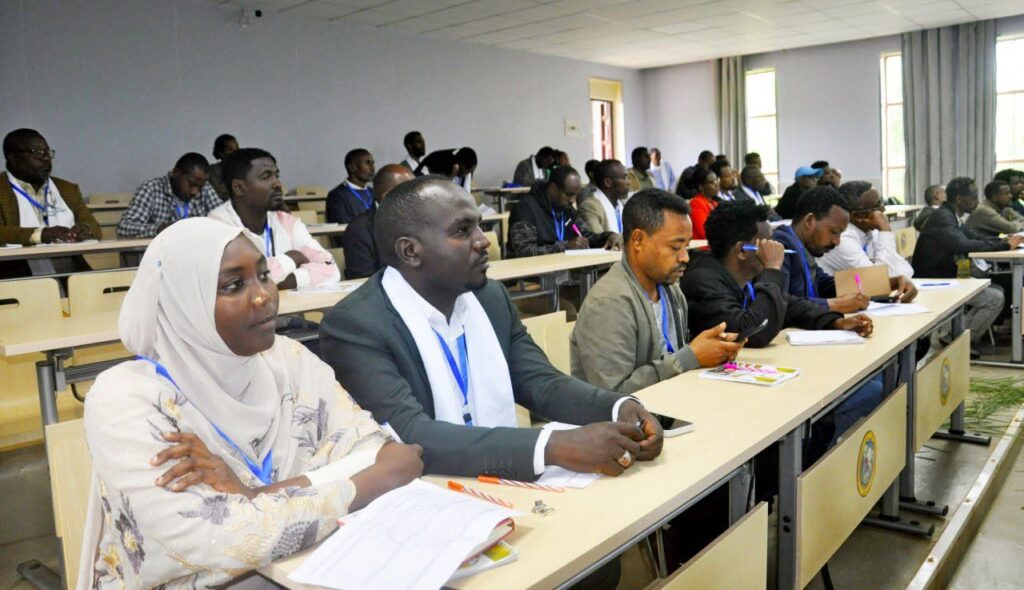
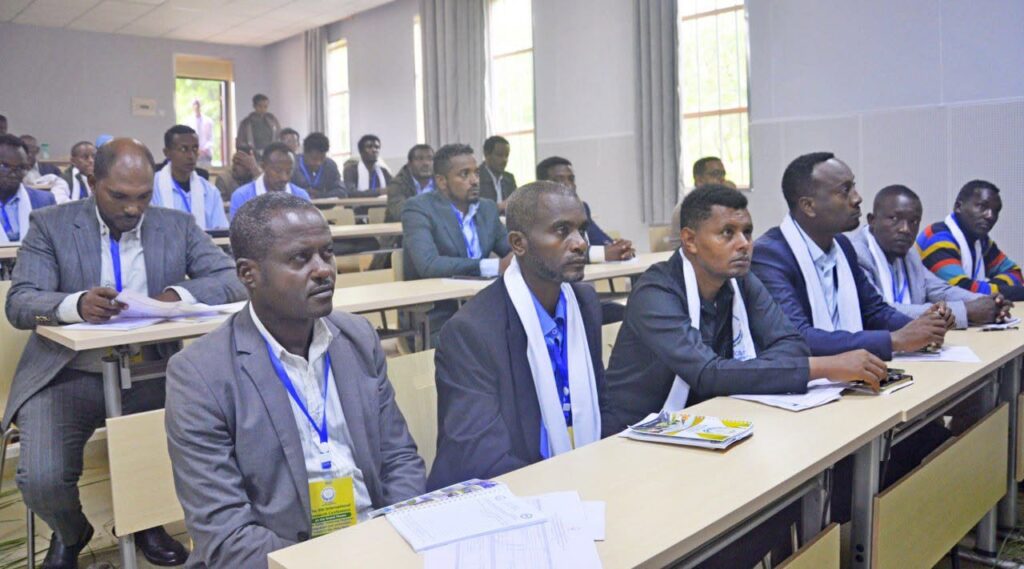
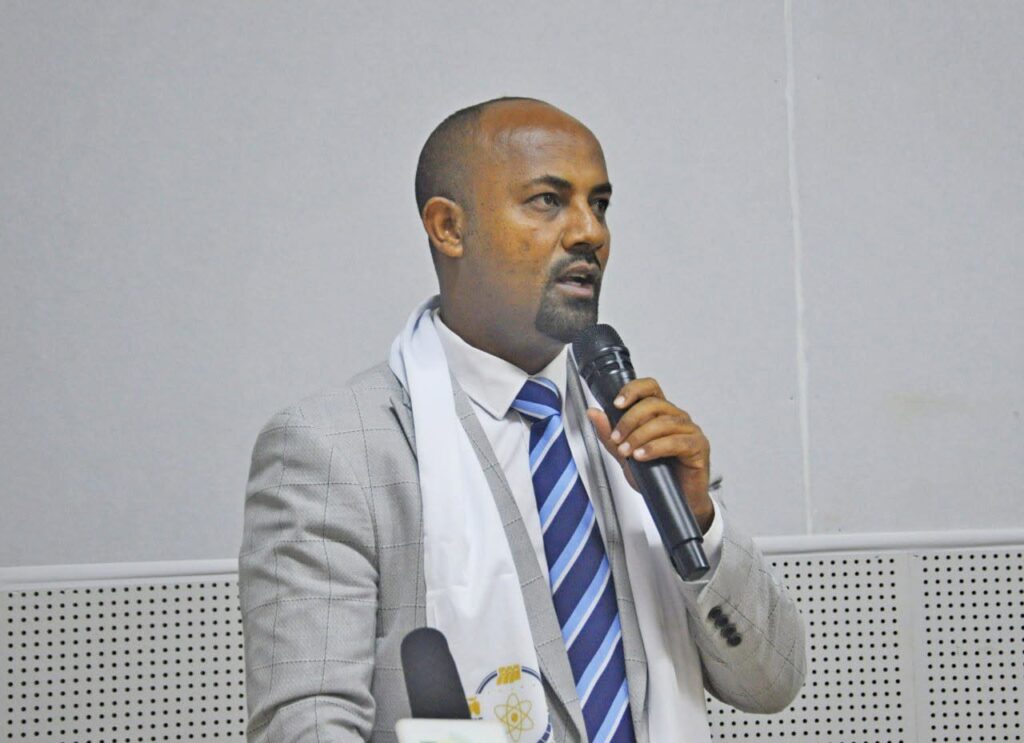
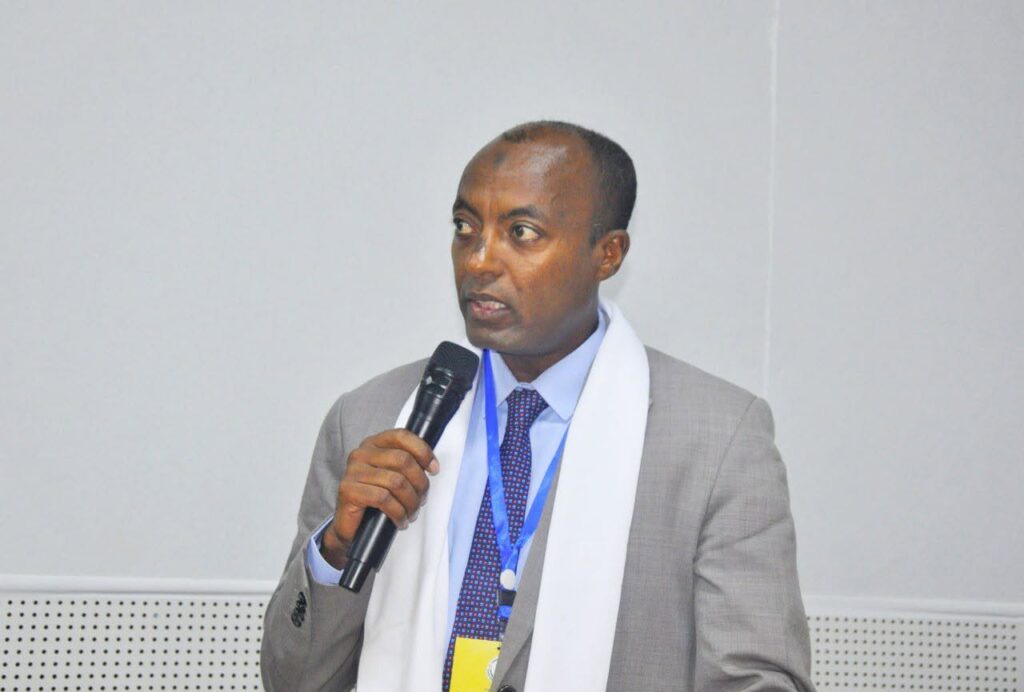
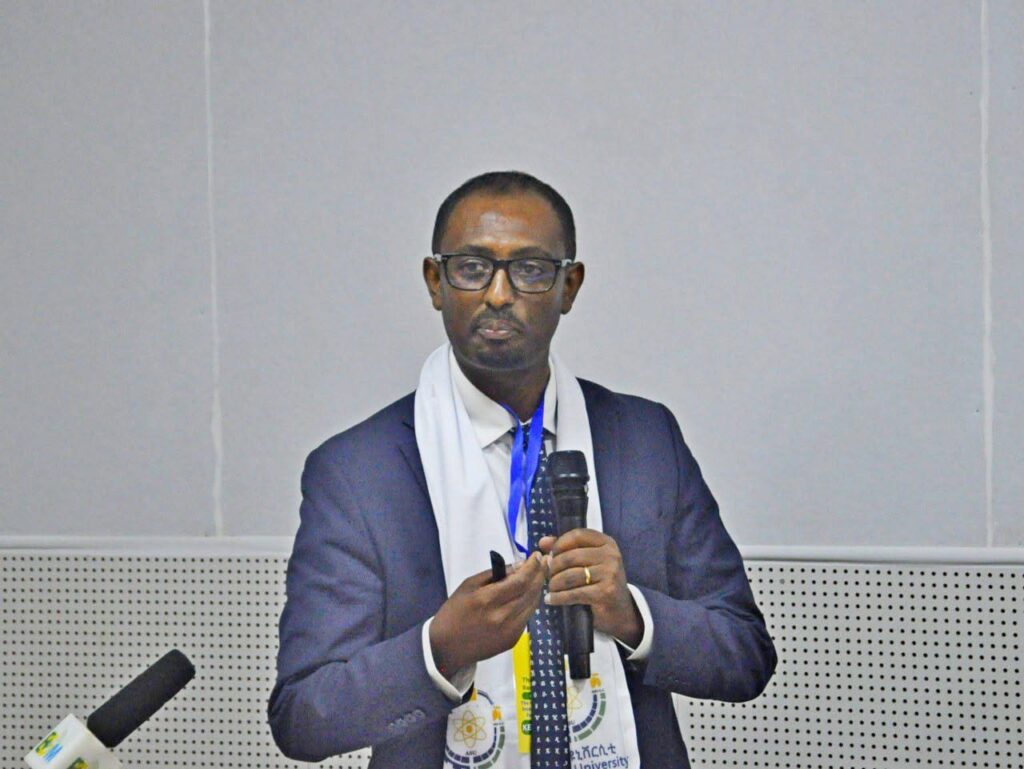
Assosa University has convened its 4th International Research Conference in the presence of prominent scholars, diplomats, and policymakers to deliberate on the future of the Nile Basin.
The conference was held under the theme: “The GERD: Fostering Regional Integration and a Sustainable Future in the Abay Basin.”
The event commenced with opening remarks from Assosa University President, Dr. Yared Mulu, followed by a warm welcome address from Dr. Oumer Sheriff, Vice President for Research and Technology Transfer.
In his address to the assembly, Dr. Yared emphasized that the Grand Ethiopian Renaissance Dam (GERD) has evolved far beyond its technical design.
“The GERD stands today as more than an engineering achievement; it reflects national resolve and continental aspiration,” Dr. Yared stated. “It also marks a shift in how we imagine development, cooperation, and shared prosperity in the Nile Basin.”
Echoing these sentiments, Dr. Oumer highlighted the strategic timing of the gathering as a vital bridge between academic knowledge and regional action.
“The conference, convened at such a decisive moment in the GERD’s journey, is a call to transform knowledge into action and to unite scholars, leaders, and communities in shaping our shared future,” Dr. Oumer said. “The GERD is not simply a dam—it is a catalyst of integration, a beacon of sustainability, and a responsibility we all carry together.”
Strategic and International Perspectives
A major highlight of the session was a headline address delivered by Ambassador Zerihun Abebe, Director General for African Affairs at the F.D.R.E. Ministry of Foreign Affairs. Speaking on the topic, “The GERD’s Ripple Effect: What it Means for Ethiopia, the Region & Beyond,” Ambassador Zerihun underscored the project’s immense geopolitical weight. He emphasized that the GERD serves as a cornerstone of Ethiopia’s foreign relations and is crucial for achieving development goals, describing the project as a matter of “natural survival and security.”
Ambassador Zerihun’s address was complemented by insights from four distinguished keynote speakers representing international universities, who provided global contexts for sustainable basin management.
Academic Presentations and Discussions
The afternoon session transitioned into rigorous academic exchange, featuring the presentation of four separate research papers:
One paper presented by researchers from the host institution, Assosa University.
Three papers contributed by scholars from partnering Universities.
One international paper delivered by a researcher from Nigeria.
Following the presentations, the floor was opened to the plenary, where participants raised critical questions and engaged in an interactive dialogue, advancing the conference’s goal of fostering collaborative solutions for the Abay Basin.